
Feeling disconnected from others, overwhelmed by life, and losing hope that things can get better?
I help adolescents and young adults build relationships, get unstuck, and start enjoying life again.

Hopeful Connections Counseling offers trauma-informed counseling in Boise, Idaho, in person and via telehealth throughout Idaho.
When the Whole Family feels it.
When a teen or young adult is struggling, it doesn’t stay contained to them. It touches the people around them too. A sibling is behaving differently? Your marriage has felt the strain? You’re running on empty and no one has checked on you?
There is support for that too.
This work isn’t just professional for me.
It’s personal.
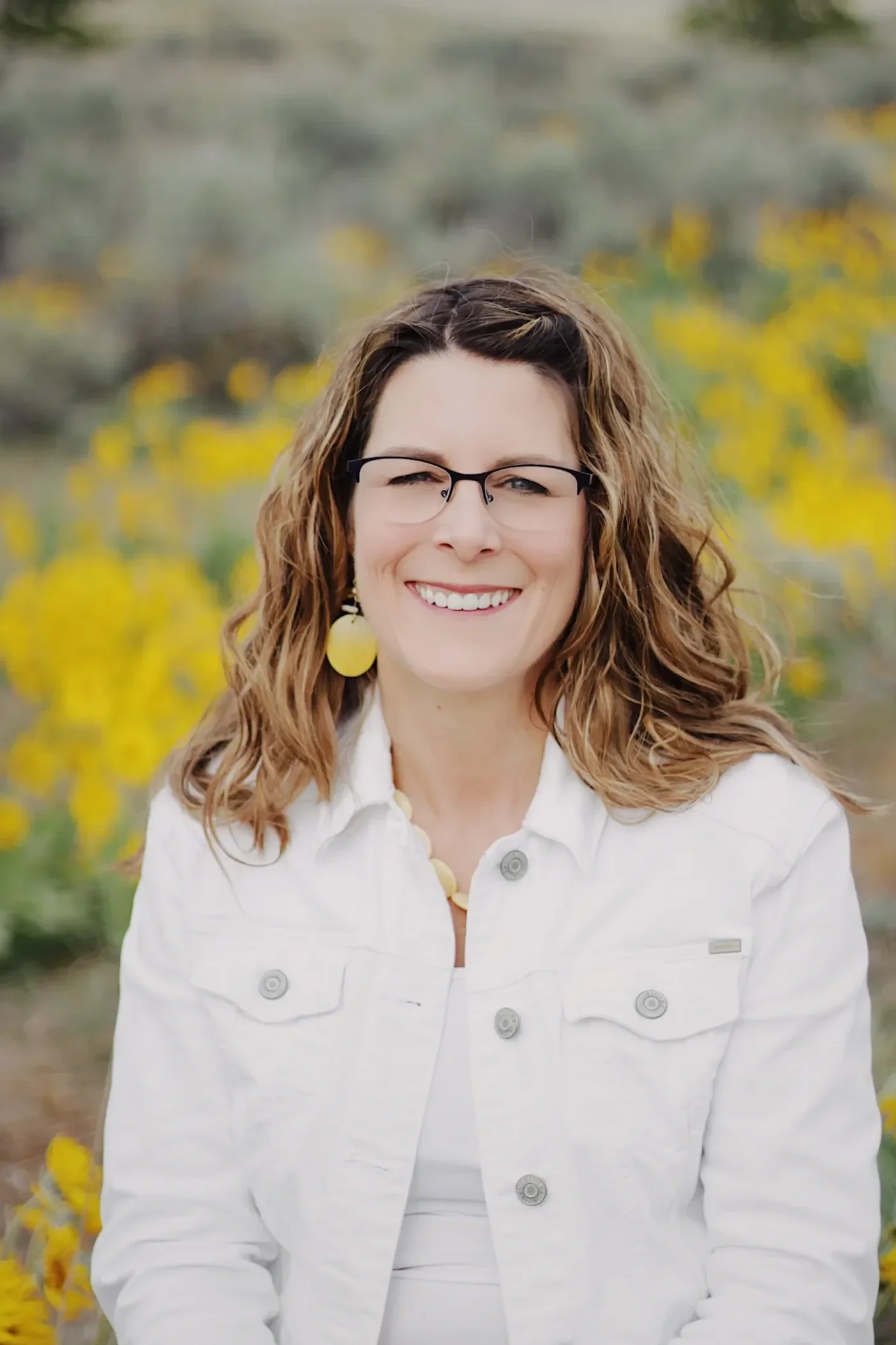
My sister came home to our family at 11 months old. I was two and a half. She came as a foster child with severe abuse and neglect. We grew up together which means I didn't see the ripple effects of her early trauma for what they were. It was just life. It was just our family.
My parents surrounded her with love, a good education, and a faith community that believed in new starts. And still, something wasn't reaching her. Behind her behaviors were needs that no one, not even the people who loved her most, knew how to meet.
Why isn’t love enough? What does it take to actually heal?
I saw the struggle she had in her teen years and early adulthood to make sense of her story and how it impacted each member of the family. That drove every degree, every training, every hour I've spent in a therapy room.
Frequently Asked Questions
-
The first step is reaching out through either the contact form, by phone, or by email to schedule a consultation. From there, we'll schedule a free 20-minute consultation (phone, in person, or on video) to connect and make sure it feels like a good fit. When you are ready, I offer both in-person sessions in Boise and telehealth throughout Idaho.
-
Hopeful Connections Counseling is located 3295 W. Elder St, Suite 117-4, off S. Vista Avenue (Airport exit) in Boise, Idaho and available via telehealth throughout Idaho.
-
Faith-sensitive counseling means that Christian faith can be integrated into the healing process for clients who desire that. It is always your choice and never assumed or required. If Christian faith is part of how you make meaning, it has a place in our work together. If it isn't, that's equally welcome.
-
Hopeful Connections Counseling accepts St. Luke’s Health Plan insurances.
If you have another insurance, your insurance plan may include out-of-network (OON) benefits that reimburse a significant portion of session costs. I've partnered with Thrizer to handle the out-of-network claims process automatically — so you don't have to manage superbills or wait for reimbursement checks. Once you meet your deductible, you may also have the option to pay a reduced fee at the time of session rather than paying full rate upfront.
Check your OON benefits and estimated cost here: eligibility.thrizer.com/hopefulconnectionscounseling
-
The length of therapy depends on your goals and your goals direct the process. We set clear goals from the start and check in regularly, so you always know where you are. Many clients are surprised to find they've already met their goals when we pause to review progress. Some people need a handful of sessions; others benefit from longer-term support.
-
During our first session, I include the parent so we can build a collaborative relationship from the start and make sure everyone understands how the counseling relationship works. I won’t share every dtail of what your teen and I discuss, but you can be assured that if your child is not safe, you will know. Let's figure out together what works best for your family.
-
I also support the people around them: Siblings (ages 10 and up), parents, and couples navigating the impact of their loved one’s struggle.
-
That uncertainty is completely normal and it's exactly what a free consultation is for. I'm always happy to have a conversation to see if we're a good fit. And if I'm not the right person for what you need, I'll help point you toward someone who is. Getting the right support matters more to me than filling a spot on my caseload.
-
I offer individual counseling for adolescents and young adults, along with support for parents, siblings, and couples affected by a loved one's struggles. Sessions are available in person in Boise or by telehealth throughout Idaho.
-
I use Accelerated Resolution Therapy (ART), Trust Based Relational Intervention (TBRI), Gottman Method. I am trained in APSAT as a specialized approach for partners affected by betrayal trauma.
Maybe you're not sure therapy is the right step. Maybe you're sure but nervous about taking it. Maybe you just want to talk to someone before committing to anything.
That's exactly what a consultation is for.
There's no pressure and no obligation — just a conversation to see if we're a good fit and to make sure you feel comfortable before we begin. You deserve to feel at ease with the person you're trusting with your family's story.
If you’ve made it this far, something here spoke to you.
Prefer to reach out by phone or email first?
📞 208-917-3653